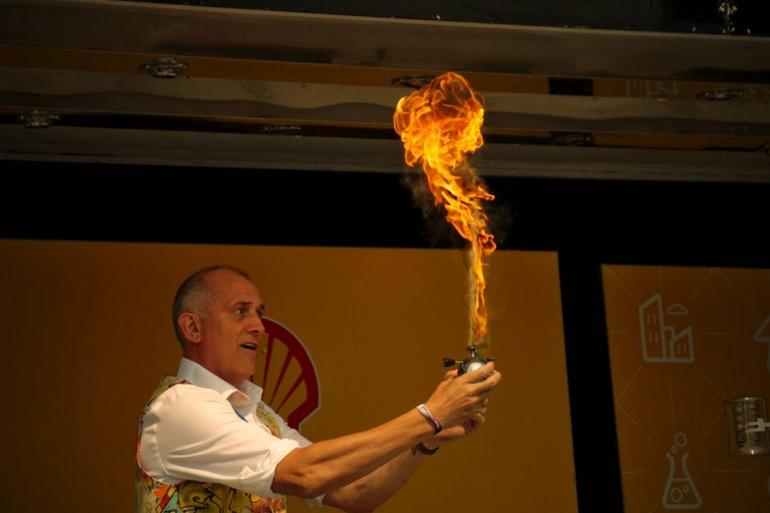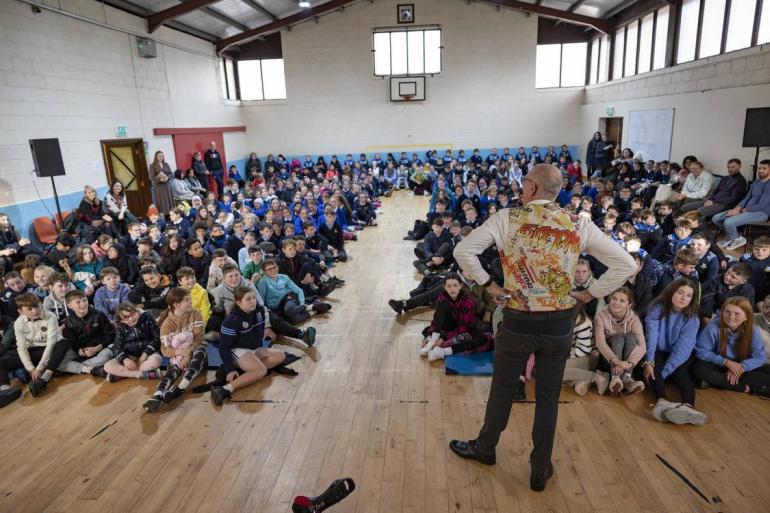
Meet Dr Ken Science
Award-Winning Science Shows for Schools & Events
I’m often asked, “How did you end up with a job that involves travelling the world presenting fun, educational science shows in schools and at festivals?”
The answer isn’t a straight career path — it’s a collection of experiences and events that gradually shaped my unique approach to STEM learning.
Circus First… Science Communication Later
I started to spend a lot of time juggling at university; it was a great activity to refresh the mind between revision sessions. I then started a circus society and spent nearly all my spare time juggling and riding unicycles. Before online tutorials existed, the only way to improve was to learn directly from experts — so I started attending international juggling conventions.
My first convention, in Hawaii, changed everything.
A global gathering of hobbyists and professional performers on Hawaii’s Big Island. Everywhere I turned, people were swapping skills, secrets, and the occasional impossible-looking trick. In the public shows, I was fascinated by how performers used character, humour, and audience mischief to entertain their audiences.
For the first time, I also found myself explaining my postgraduate research through everyday life — relating the movement of detergents in liquids and foams to washing the dishes.
Somewhere between the soap suds, juggling by active volcanoes and the storytelling, I accidentally became a science communicator.
Running away to the circus
After completing my PhD, I spent several years performing as a juggler full-time: in circus, holiday parks, festivals and street theatre. A National Lottery arts grant aimed at developing new audiences gave me the opportunity to combine my honed performance skills with my science training.
This led to my first show and workshop:
Entertaining Science for All
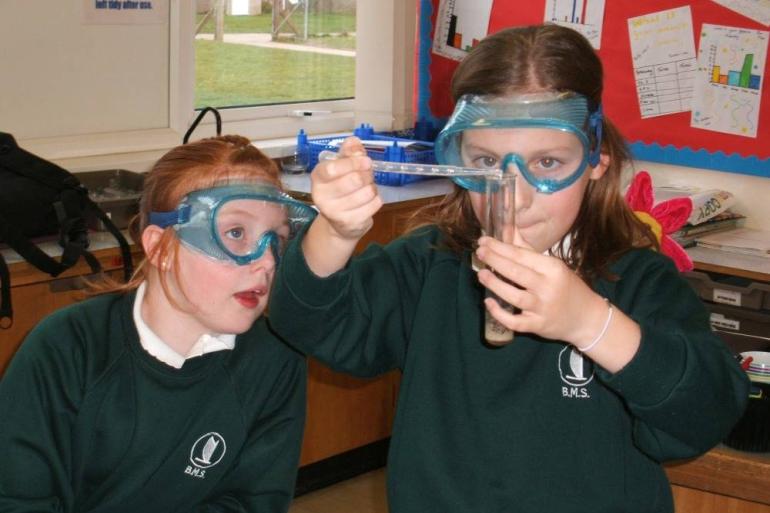
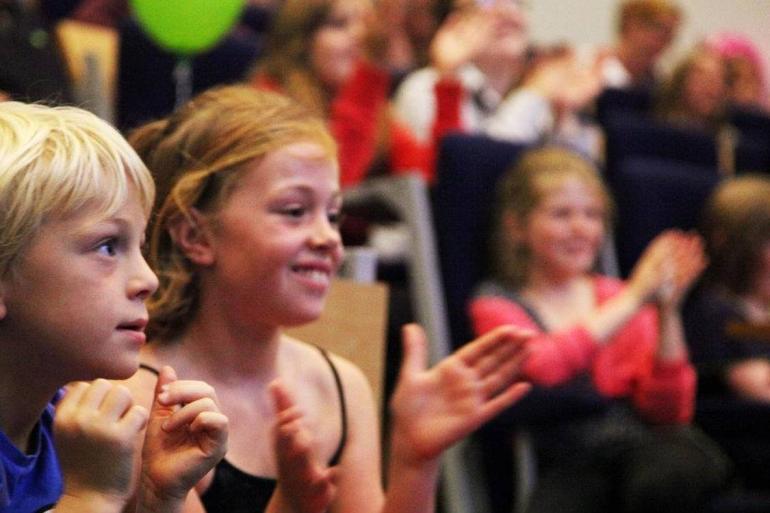
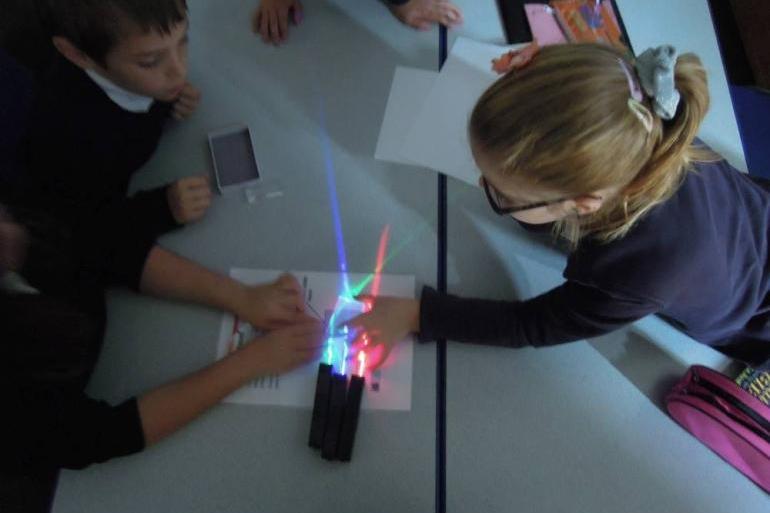
The goal was simple: Explain the science behind circus tricks and stunts in a way accessible to any audience — regardless of age, ability or venue. The show was written with curriculum links, reviewed by teachers, and tested through pilot tours in primary, secondary and SEN schools. The response shaped the style I still use today: participatory, memorable and built around curiosity.
Learning from the classroom
As opportunities expanded into radio and television educational programmes, I found I wanted a deeper understanding of how performances could genuinely support teaching. I took the opportunity to qualify as a Teacher by working part-time teaching science, media and drama at a High School.
Classroom teaching provided an invaluable insight into:
- behaviour management
- reflection and adaptation
- how pupils actually learn (not just how we hope they learn)
The school encouraged experimentation — using my performance skills to explore and develop new teaching approaches and sharing them with colleagues.
Research, creativity and collaboration
As bookings increased, I focused fully on live STEM shows and workshops, while collaborating with schools on action-research projects that explored creativity in learning. These included:
- Investigating how circus skills affect learning and behaviour
- Students producing science video resources for peers to reinforce their learning
- Using magic tricks to teach scientific concepts
- Practical ways teachers can quickly produce videos for their lessons
Commissions and special projects
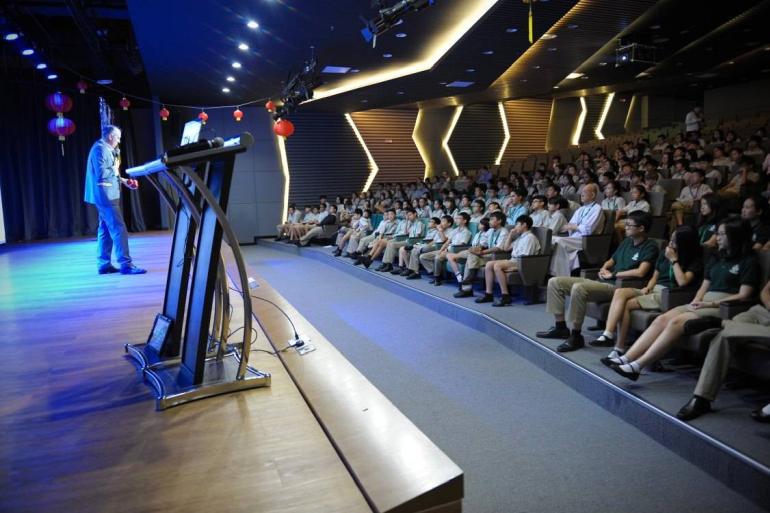
I’ve since been commissioned to create shows and workshops for organisations including the British Science Association, Royal Society of Chemistry and Royal Academy of Engineering, as well as bespoke stage shows for family audiences:
- Where’s the ‘F’ in Food? – Institute of Food Research
- I Love Genetics — Are You Talking the PEA? – John Innes Centre
- Goo, Guts and Gore – Norwich Castle Museum
- Dr Ken Saves the Planet – URENCO
- Science in a Suitcase – outdoor street science theatre
I’ve also worked on projects exploring how the arts can positively influence young people at risk of exclusion.
Supporting future communicators
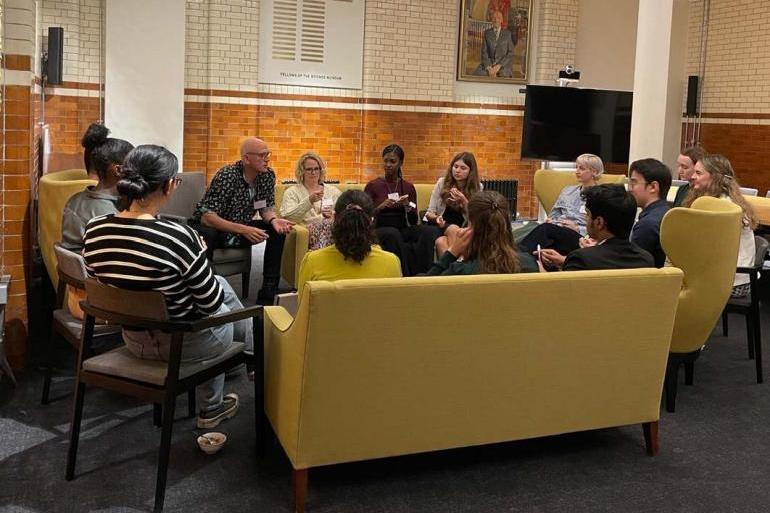
Alongside performing, I train students, researchers and academics in science communication and presentation skills. I’m a FameLab Masterclass trainer and a Science Communication Fellow at the University of East Anglia.
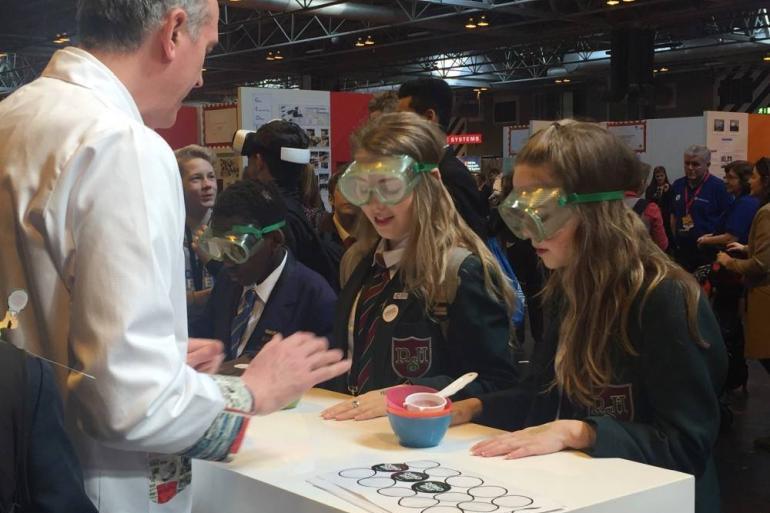
Today my work combines performer, teacher and communicator — using curiosity, humour and participation to make science memorable, accessible and enjoyable for everyone.
Today my work combines performer, teacher and communicator — using curiosity, humour and participation to make science memorable, accessible and enjoyable for everyone.